Historical Account of Roman Legionnaires Playing Street Dice
7 November 2026 | 52
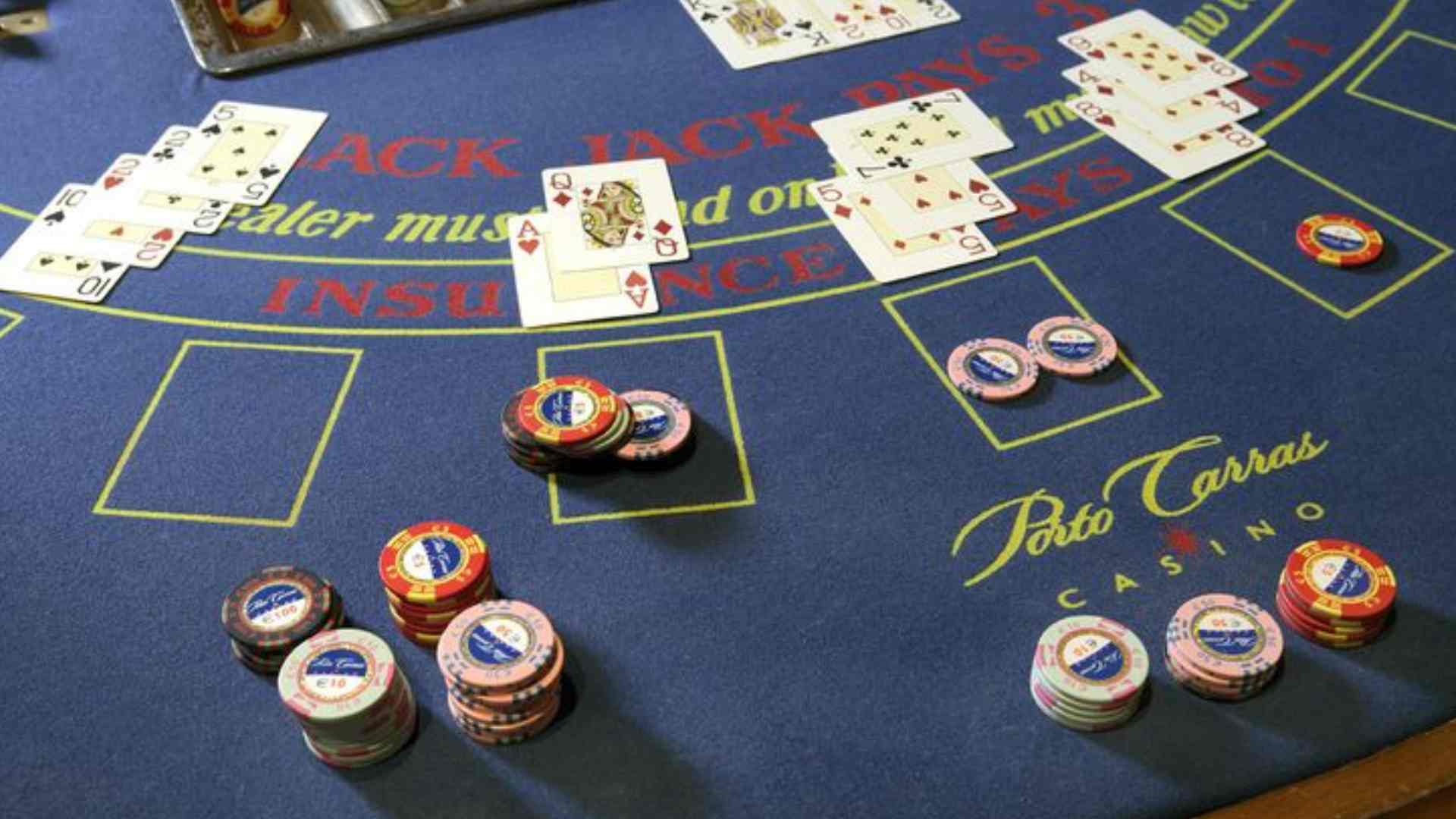
Life in the ancient Roman military was characterized by long stretches of routine interspersed with intense combat. To pass the time in military encampments and urban outposts, legionnaires frequently turned to informal games of chance played on stone streets and makeshift tables. Historical accounts and archaeological findings reveal that street dice was a central pastime for soldiers seeking camaraderie and distraction.
The Role of Dice Games in the Roman Military
Roman legionnaires carried small sets of dice made from bone, wood, or bronze as part of their personal belongings. These portable games allowed soldiers to interact and unwind regardless of where their military campaigns took them. The simple mechanics made street dice an accessible entertainment option across all ranks.
While officially restricted during certain eras, gambling was widely tolerated in camp life to maintain morale among troops. Scholars studying ancient entertainment platforms, including modern digital gaming frameworks like m88, often note how core risk-reward behaviors have remained consistent throughout human history. Soldiers regularly wagered small coins, rations, or personal items during these casual matches.
Archaeological Evidence from Frontier Forts
Excavations along the borders of the Roman Empire have uncovered numerous carved dice and crude board outlines etched into stone pavement. These physical artifacts confirm that informal gaming was a ubiquitous feature of daily garrison life. Wear patterns on recovered dice indicate they were heavily used in varied outdoor environments.
In places like Hadrian's Wall and military sites along the Rhine, archaeologists have identified specific areas where legionnaires gathered to throw dice. The concentration of discarded game pieces suggests that designated informal gaming zones naturally formed within camps. These discoveries provide direct physical proof of historical descriptions found in classical literature.
Social Dynamics and Official Reactions
Street dice games served as an important social equalizer among soldiers serving far from home. Playing together helped build strong bonds between troops who relied on mutual trust during military engagements. However, high stakes occasionally led to disputes that required intervention from senior officers.
Roman authorities periodically issued decrees to curb excessive gambling and prevent disruptions to military discipline. Despite periodic enforcement efforts, the popularity of street dice among legionnaires persisted throughout the imperial period. The deep-rooted habit remained an integral part of military culture until the fall of the empire.
Legacy of Roman Military Gaming
The street dice games of Roman legionnaires laid the structural foundation for many popular European dice pastimes that followed. As legions traveled across Europe and North Africa, they introduced their rules and gaming traditions to local populations. This cultural exchange ensured the survival of specific game mechanics long after Roman military presence receded.
Understanding how Roman soldiers engaged with simple probability offers valuable insight into the everyday human experience of antiquity. Beyond tactical maneuvers and historical battles, the daily lives of legionnaires were shaped by the universal desire for leisure and social connection.